The mechanization level of rice production is a key indicator for measuring modern agricultural efficiency. As a critical stage in the cultivation process, the application of the rice transplanter machine has significantly replaced traditional manual labor. From the simple 2 row manual rice transplanter to high-efficiency motorized equipment, the technical parameters and operating standards of transplanting machinery directly influence final grain yield and quality.
Technical Structure and Working Principles of the rice transplanter
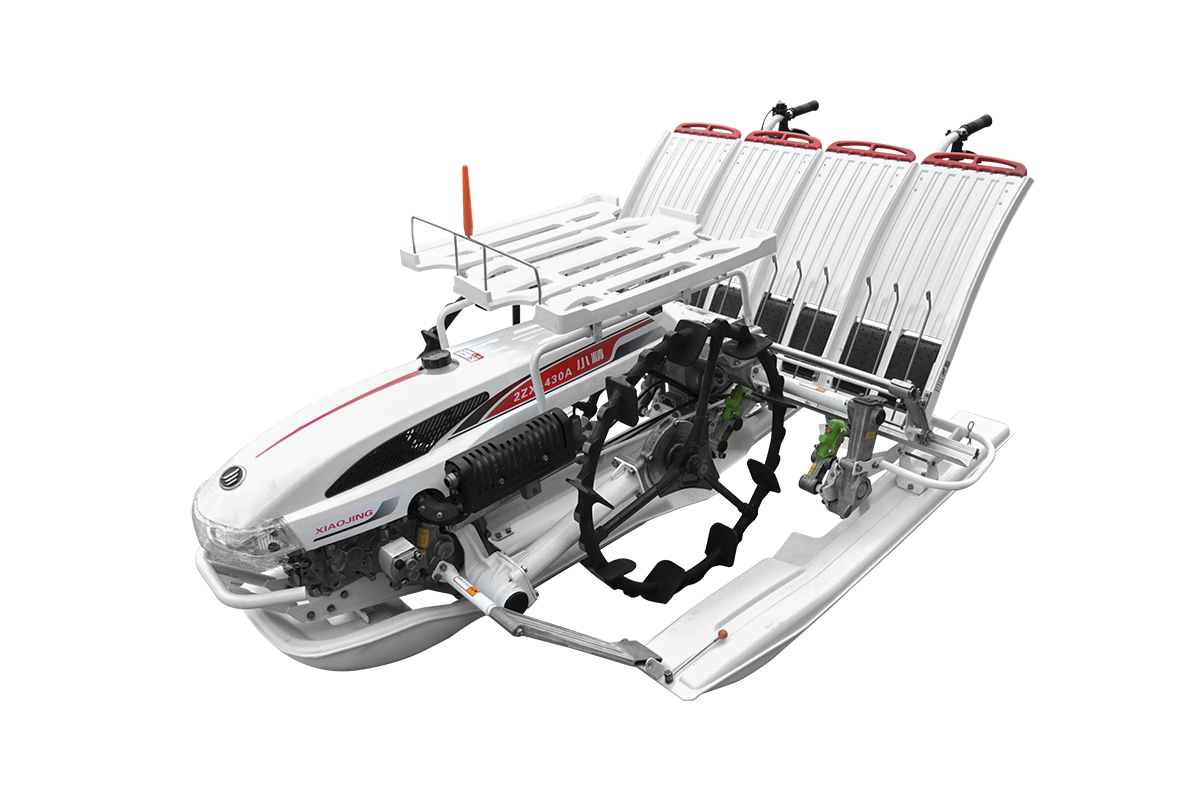
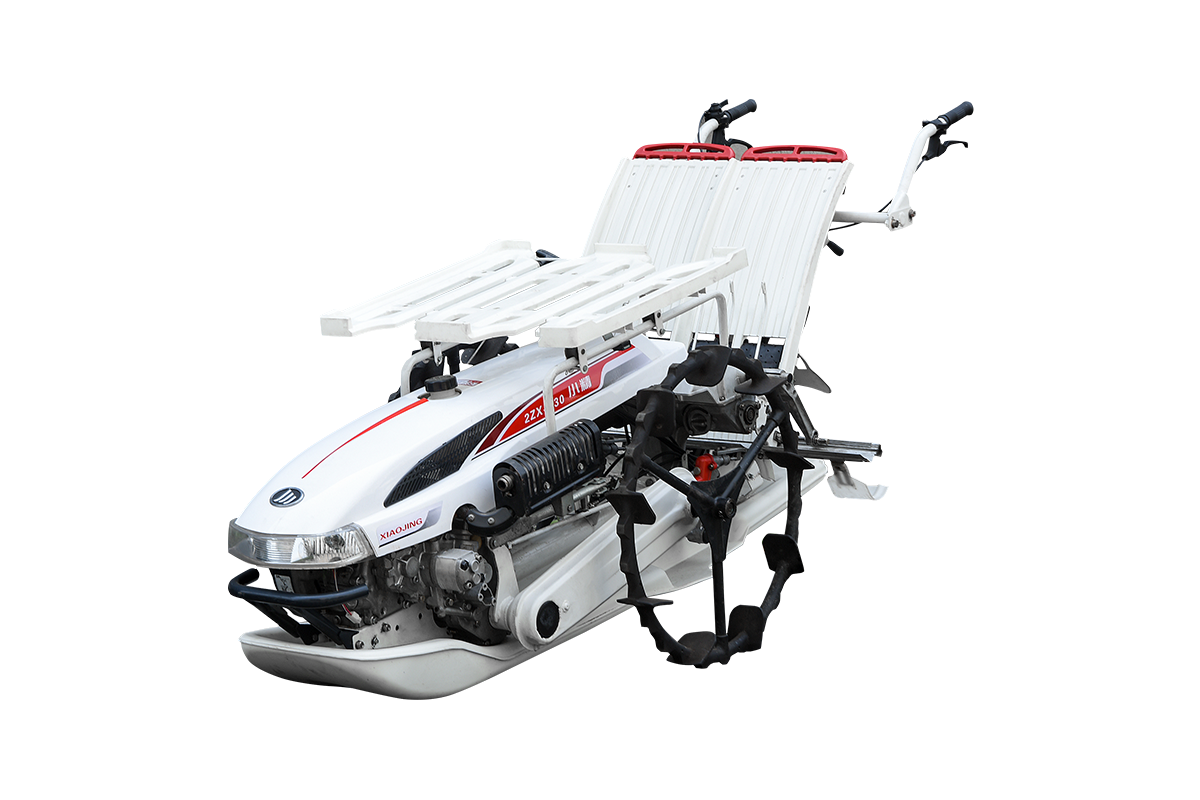
A high-performance paddy transplanter primarily consists of a traveling unit, a transplanting unit, and a seedling tray. The transplanting unit is the core of the machine, typically utilizing a rotary or reciprocating seedling-picking mechanism. During operation, the machine ensures consistent transplanting depth through a profiling mechanism.
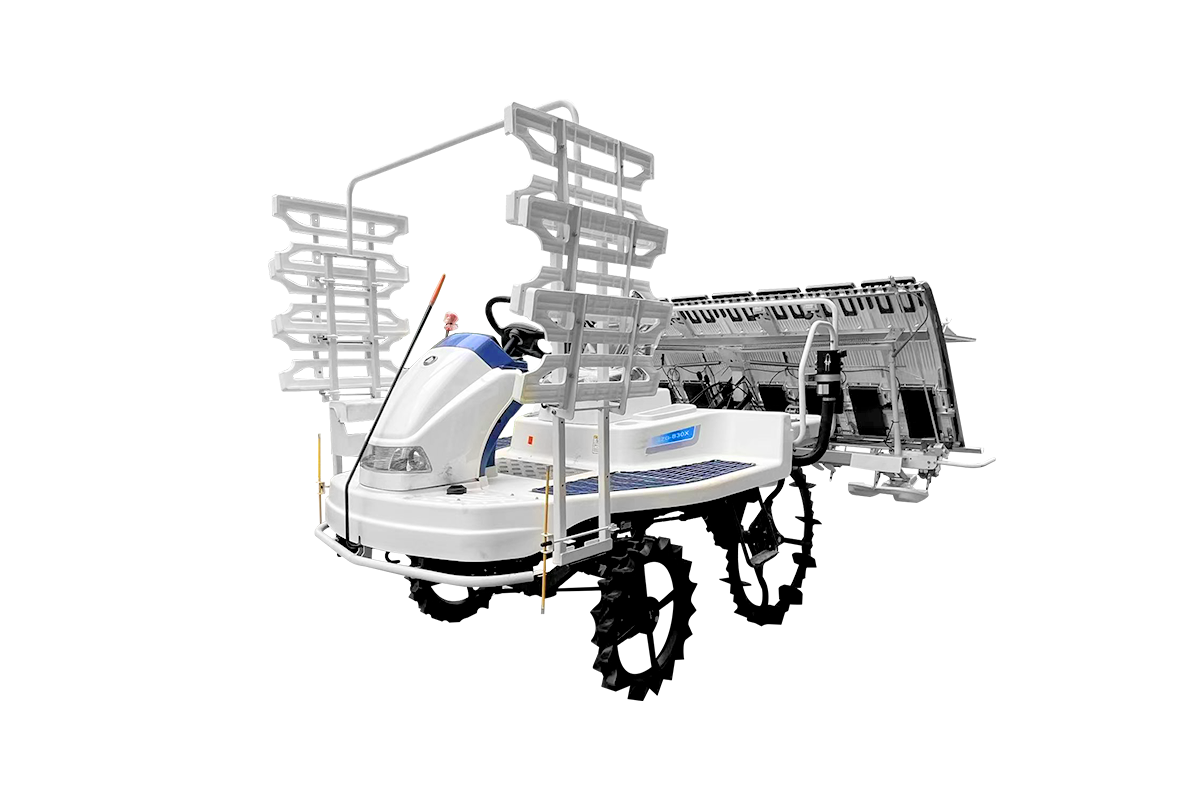
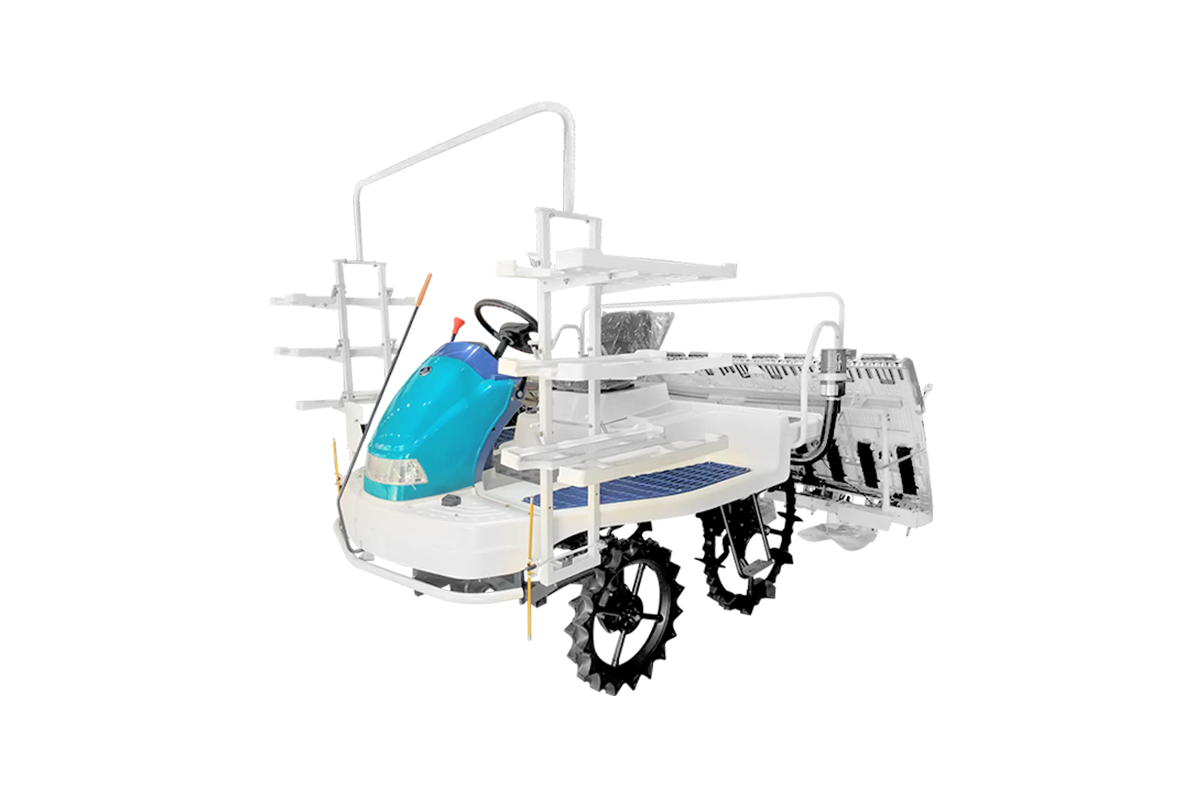
For small-scale farmers, the 2 row rice transplanter offers high operational flexibility. These models are usually lightweight and can easily enter small plots of land. In contrast, large and medium-sized rice transplanter models often adopt multi-row synchronous operation, integrated with a hydraulic automatic balancing system to maintain seedling uprightness and uniform distribution even in fields with uneven mud bottoms.
Comparison of Key Parameters: Manual vs. Motorized paddy planting machine
When selecting the appropriate paddy planting machine, comparing technical parameters is crucial for decision-making. Below are the core performance data for common models available in the industry:
| Technical Indicators |
2 row manual rice transplanter |
Walk-behind motorized rice transplanter |
Ride-on high-speed rice transplanter |
| Operating Rows |
2 rows |
4-6 rows |
6-8 rows |
| Row Spacing (mm) |
200 - 250 (Fixed/Adjustable) |
300 |
300 |
| Hill Spacing (mm) |
Manual control |
120 / 140 / 160 / 180 |
100 - 240 (Multi-stage adjustable) |
| Efficiency (hm²/h) |
0.03 - 0.05 |
0.15 - 0.25 |
0.3 - 0.6 |
| Planting Depth (mm) |
10 - 35 |
10 - 45 |
10 - 60 (Hydraulic feedback) |
| Seedling Type |
Washed root / Carpet seedling |
Carpet seedling |
Carpet / Pot seedling |
Technical Essentials for Improving paddy transplanter Quality
When operating a rice planter, the quality of seedlings and field preparation are vital. To reduce missing hills and lodging rates, the following steps must be strictly controlled:
Field Levelness: Before using a paddy transplanter, the field surface height difference should be controlled within 3 cm. Mud settlement time must be determined based on soil texture—usually 1 day for sandy loam and 2-3 days for clay—to ensure appropriate soil firmness.
Seedling Picking Precision: Whether using manual or automatic equipment, the adjustment of lateral movement frequency and longitudinal picking volume directly determines the number of plants per hill. A precision rice transplanter machine can maintain the seedling injury rate below 4%.
Water Layer Control: A thin water layer (1-2 cm) should be maintained during operation. This prevents the paddy planting machine from getting stuck and avoids seedling floating or burial caused by deep water.
Professional Maintenance for Reducing Skipping and Seedling Damage
The durability of a mechanized paddy planting machine stems from meticulous daily maintenance. The wear of transplanting needles and pushers must be inspected regularly. If the needles are bent or the tips are blunt, it will lead to direct damage to the seedling root systems.
For the 2 row rice transplanter, especially manual versions, lubrication of the chains and guide rails is key to maintaining operational continuity. In larger motorized equipment, checking the seal of the hydraulic system and regular replacement of gearbox oil are prerequisites for ensuring the paddy transplanter does not fail during high-load harvest seasons.
Through scientific model selection and standardized operation, the rice transplanter not only improves the stability of planting density per unit area but also lays a solid biological foundation for later tillering and lodging resistance through precise depth control. Choosing the right rice transplanter machine is an essential path toward achieving increased yields, efficiency, and standardized rice cultivation.






 [email protected]
 Nº 1819, Renmin West Road, Cao'e Street, distrito de Shangyu, cidade de Shaoxing, província de Zhejiang, China